Furnace Installation vs. Furnace Replacement: Which Option Is Best?
If your house has started feeling unevenly heated, your utility bills are climbing, or your furnace has begun making noises that sound more serious than the usual startup hum, you’re probably asking a pretty basic question with a surprisingly expensive answer: do you install a furnace for the first time, or replace the one you already have?
People often use Furnace Installation and Furnace Replacement like they mean the same thing. They don’t. In real homes, those two jobs can look very different in scope, cost, timing, and complexity. One may involve putting a heating system into a space that never had one, or changing from another heat source entirely. The other means removing an existing furnace and putting in a new one that works with the home’s current setup, though even that can get complicated fast.
The best choice depends on your house, your current equipment, your budget, and how long you plan to stay put. It also depends on whether your system still has some life left in it, or whether continued Furnace repair is turning into a money pit.
The real difference between installation and replacement
A true furnace installation usually means starting from scratch, or close to it. Maybe you’re finishing a basement apartment, converting from baseboard heat, replacing an old boiler with forced air, or adding a furnace to a home that relied on another system. In these jobs, the heating equipment itself is only part of the equation. You may need new ductwork, a venting plan, a gas line upgrade, new electrical work, thermostat wiring, return air paths, and permits. Heating Installation in that context is a full system design project, not just a swap.
Furnace Replacement is usually simpler on paper. There’s already a furnace in place. The home already has supply and return ducts. The vent path exists. The fuel source is there. The thermostat probably stays. That sounds straightforward, and sometimes it is. But older homes love to surprise you. I’ve seen “simple replacements” turn into a day of fixing undersized returns, replacing unsafe flue connections, and correcting a plenum that was so badly built the old furnace had been overheating for years.
So while replacement is generally faster and cheaper than first-time installation, it isn’t automatically easy. The condition of the existing system matters just as much as the furnace cabinet sitting in the basement or utility closet.
When furnace replacement makes the most sense
Most homeowners considering new equipment are in the replacement camp. Their current furnace is old, unreliable, inefficient, or some combination of all three.
Age is the first thing people look at, and for good reason. A gas furnace often lasts around 15 to 20 years, sometimes a little longer with excellent maintenance. That does not mean every 16-year-old furnace needs to be ripped out immediately. It does mean you should stop thinking of it as dependable. Past that point, the odds of major repairs go up, and replacement starts becoming easier to justify.
Efficiency also matters. An older unit may still heat the house, but it can do it wastefully. If you’re running a furnace in the 60 to 80 percent efficiency range and replacing it with a modern high-efficiency model, the monthly savings can be meaningful, especially in colder climates where the heat runs for months on end. Not every replacement pays for itself quickly, but comfort and reliability count too. A furnace that cycles properly, heats evenly, and doesn’t make you nervous every winter morning has value beyond the utility bill.
Repeated repair calls are usually the tipping point. One igniter failure, one pressure switch, one blower capacitor, that’s ordinary Furnace repair territory. But when repairs start stacking up in the same two or three heating seasons, homeowners often end up spending hundreds here and a thousand there just to keep a worn-out system limping along. At that point, you’re not preserving value. You’re delaying an inevitable replacement while paying premium prices for the privilege.
There’s also the safety angle. A cracked heat exchanger, venting issue, or combustion problem changes the conversation immediately. Some issues can be addressed, but if the core of the furnace is compromised, Furnace Replacement becomes less of a preference and more of a responsible decision.
When a fresh furnace installation is the better move
Installation from scratch usually comes up in a few specific situations. The first is when a home doesn’t have central forced-air heat and the owner wants it. Maybe the house uses electric baseboards and the owner wants lower operating costs. Maybe there’s a remodel underway and now is the right moment to add ducts and create a more complete heating system. Maybe the property has an aging boiler and the owner wants central air too, which naturally pushes the project toward ducted Heating Services.
In those cases, Furnace Installation can solve more than one problem at once. You are not just adding heat. You may be setting the house up for future cooling, filtration, humidity control, zoning, or better air distribution room to room.
I’ve seen older homes where families spent years using space heaters upstairs because the original heat source was never designed for the way the house was actually used. A thoughtful installation fixed the comfort issue, improved resale appeal, and reduced the monthly electrical load. It wasn’t cheap, but it solved a house problem, not just an equipment problem.
Installation can also make sense when the current setup is so poorly designed that replacing the furnace alone would preserve the same old headaches. If the ducts are missing returns, sized badly, or routed in ways that choke airflow, dropping in a shiny new furnace won’t suddenly make the system perform well. Sometimes it’s smarter to treat the project like a new installation and redesign the distribution side too.
Cost is important, but not in the way most people think
Everybody asks about price first, and that’s fair. But the trap is focusing only on the sticker price of the furnace instead of the total job.
A straightforward Furnace Replacement is usually less expensive than a first-time installation because much of the infrastructure already exists. Even then, prices vary a lot depending on furnace efficiency, home size, venting requirements, filter setup, local labor rates, and whether code upgrades are needed. If you step up to a high-efficiency condensing furnace, for example, you may need new intake and exhaust piping and condensate drainage. That adds labor and materials, but it can still be the right move.
A full Furnace Installation costs more because you’re paying for system creation, not just equipment changeout. Ductwork alone can be a major line item, especially in finished homes where access is tight. It is much cheaper to install ducts during a major renovation than to thread them through finished ceilings and walls after the fact.
The bigger point is this: cheap Heating Services are often expensive later. An undersized or oversized furnace, sloppy duct transitions, poor combustion setup, or ignored static pressure problems can haunt you for years. I’ve walked into homes with fairly new furnaces where the owners hated the system because it short-cycled, blasted hot air unevenly, and drove up utility costs. The equipment was fine. The design and installation were not.
Repair, replace, or start over?
Most homeowners are stuck in the gray area between “it still works” and “it’s obviously done.” That’s where a little structure helps.
Here are some signs that usually point in one direction or the other:
- Choose Furnace repair when the unit is relatively young, the problem is isolated, and the repair cost is reasonable compared with the value and age of the system.
- Lean toward Furnace Replacement when repairs are recurring, major components are failing, or the furnace is near the end of its normal lifespan.
- Consider full Furnace Installation when the home lacks proper ductwork, the existing heating method no longer fits your needs, or the current layout is fundamentally flawed.
- Move faster if there are safety concerns, major comfort issues, or evidence that the system was badly oversized or undersized from day one.
- Think long term if you plan to stay in the house for many years, because better design and higher efficiency usually matter more over time.
There’s an old rule of thumb some contractors mention, where if a repair costs a significant percentage of a furnace’s age or replacement value, it’s time to stop fixing it. I wouldn’t use that as a hard law, but the spirit of it is sound. Big repairs on old equipment rarely age well.
The ductwork question nobody asks early enough
People love to shop for furnace brands and efficiency ratings. Fair enough. But ductwork is often the hidden reason one home feels great and another never quite gets comfortable.
With replacement jobs, homeowners sometimes assume the existing ducts must be fine because the house has always had forced air. Not necessarily. Lots of older systems were installed when fuel was cheap and comfort standards were looser. Some were modified over the years by different contractors, some competent, some very much not. You end up with rooms that bake, rooms that freeze, and a furnace that’s blamed for all of it.
A good contractor should evaluate airflow, return capacity, filter restrictions, and static pressure before recommending equipment. If that inspection reveals duct problems, you may still do a replacement, but with duct corrections included. In some homes, those improvements matter more than the furnace brand stamped on the front panel.
With first-time installation, duct design is even more critical. Badly planned ducts can create noise, pressure imbalances, dust problems, and poor air delivery that no thermostat can fix. If you are investing in Heating Installation, insist on proper design rather than a “we’ll make it work” approach.
Efficiency matters, but comfort matters too
It’s easy to get drawn into the efficiency conversation because the numbers are clean. Eighty percent AFUE, ninety-six percent AFUE, and so on. Those ratings are useful, but they don’t tell the whole story.
A high-efficiency furnace installed badly will underperform a lower-efficiency furnace installed correctly. Beyond that, comfort depends on how the system runs. Two-stage and modulating furnaces often feel steadier because they don’t just blast at full capacity and shut off. They can run longer at lower output, which helps with even temperatures and quieter operation.
That doesn’t mean everyone needs premium equipment. In a smaller house, or in a milder climate, a well-sized single-stage furnace may be perfectly sensible. The right choice depends on your house and your priorities. If you want the lowest upfront cost and your ductwork is solid, a simpler replacement may be enough. If your house has temperature swings or you’re especially sensitive to noise, better equipment and better controls might be worth the upgrade.
Timing changes the whole project
One of the most expensive ways to deal with a furnace is to wait until it quits during the first brutal cold snap of the season. Emergency replacements narrow your options. You’re tired, cold, under pressure, and often paying premium rates because everyone else’s furnace picked that same week to fail.
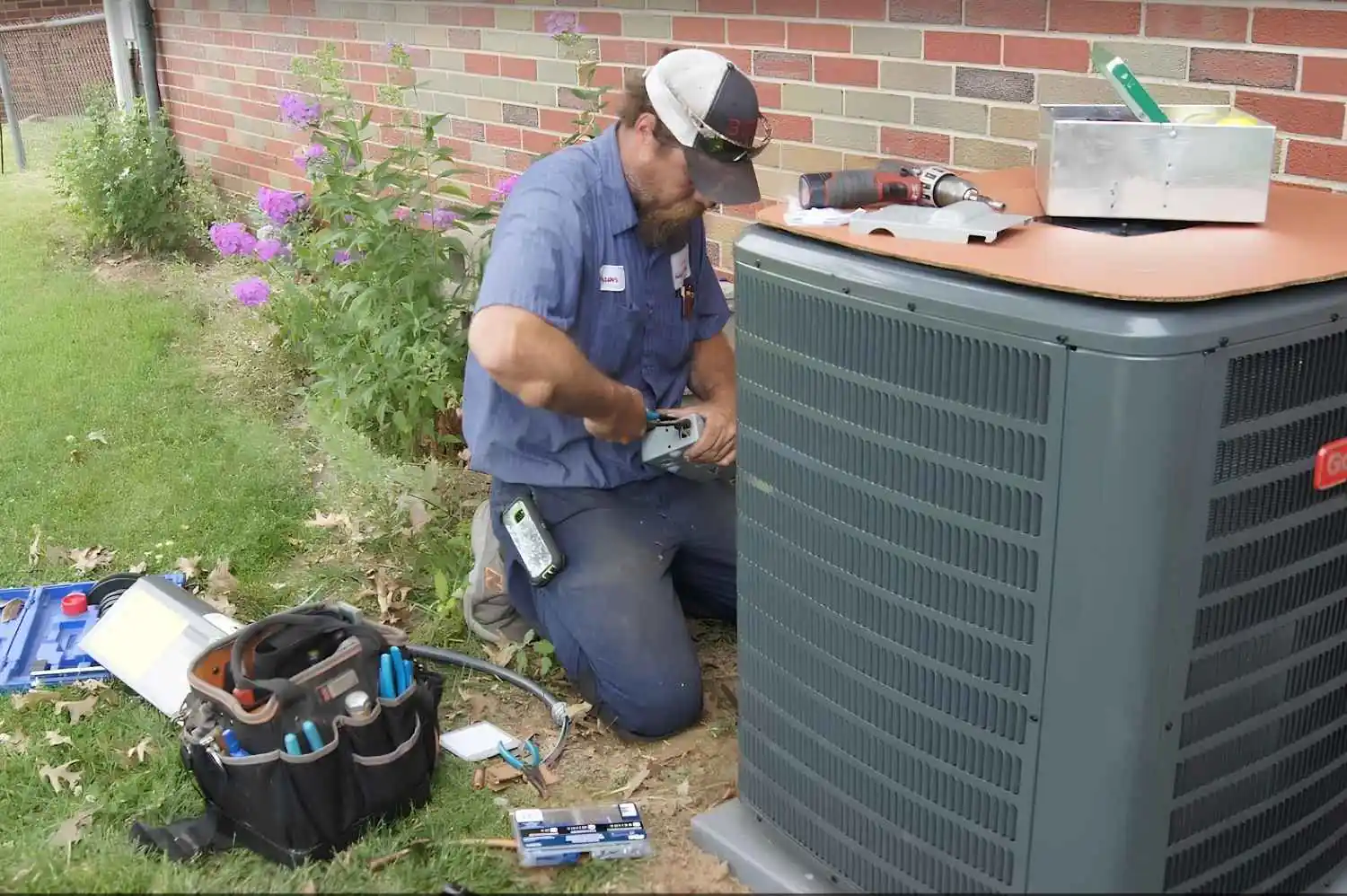
If your system is aging and showing signs of trouble, planning ahead gives you room to compare bids, discuss equipment options, and schedule work before the busy season crushes everyone’s calendar. This is especially true for broader Heating Services that involve duct modifications or full installation.
I’ve seen homeowners save real money simply by replacing an old but still functioning furnace in early fall. They weren’t forced into the first available unit. They had time to ask questions, review load calculations, and choose features they actually wanted instead of settling for what was in stock.
Fuel type and house layout can tip the decision
Not every home is set up the same way. If you already have natural gas service and ducts in decent shape, replacement is often straightforward. If you’re converting from electric heat, oil, propane, or a boiler system, installation gets more layered. Fuel availability, venting rules, storage needs, and utility upgrade requirements all matter.
House layout matters too. A one-story ranch with a full basement is usually easier to work on than a finished three-story home with limited chases and no obvious route for ducts. In tight homes, first-time Furnace Installation can become a carpentry and planning exercise as much as an HVAC job.
That doesn’t mean it can’t be done. It just means the “best” option isn’t always the one with the lowest equipment price. Sometimes the layout of the house strongly favors one path over another.
What a good contractor should help you figure out
A lot of frustration in this industry comes from homeowners being asked to make technical decisions with too little context. You shouldn’t have to guess whether you need Furnace Replacement, a repair, or a more complete redesign.
A solid HVAC contractor should walk you through the actual condition of the current system, explain the likely remaining lifespan, inspect the ductwork, and discuss how the house performs now. If some rooms are too cold, if airflow is weak, or if indoor humidity is a mess in winter, those details belong in the conversation.
Ask these questions before approving the work:
- Is the recommendation based on a load calculation and system inspection, or just the size of the old furnace?
- Will the existing ductwork support the new equipment properly, and if not, what needs to change?
- Are there code, venting, drainage, gas, or electrical upgrades included in the quote?
- What efficiency level makes sense for this house and climate, not just on paper but in real use?
- If repair is still possible, how long is that likely to buy me, realistically?
That last question is especially important. Honest contractors will admit when a repair is valid, and when it’s just a temporary patch. There’s a big difference between “this can be fixed” and “this is worth fixing.”
A quick word about resale value
People sometimes overestimate how much value a new furnace adds in a direct dollar-for-dollar way. You usually don’t get every dollar back at sale. But that doesn’t mean the investment is wasted.
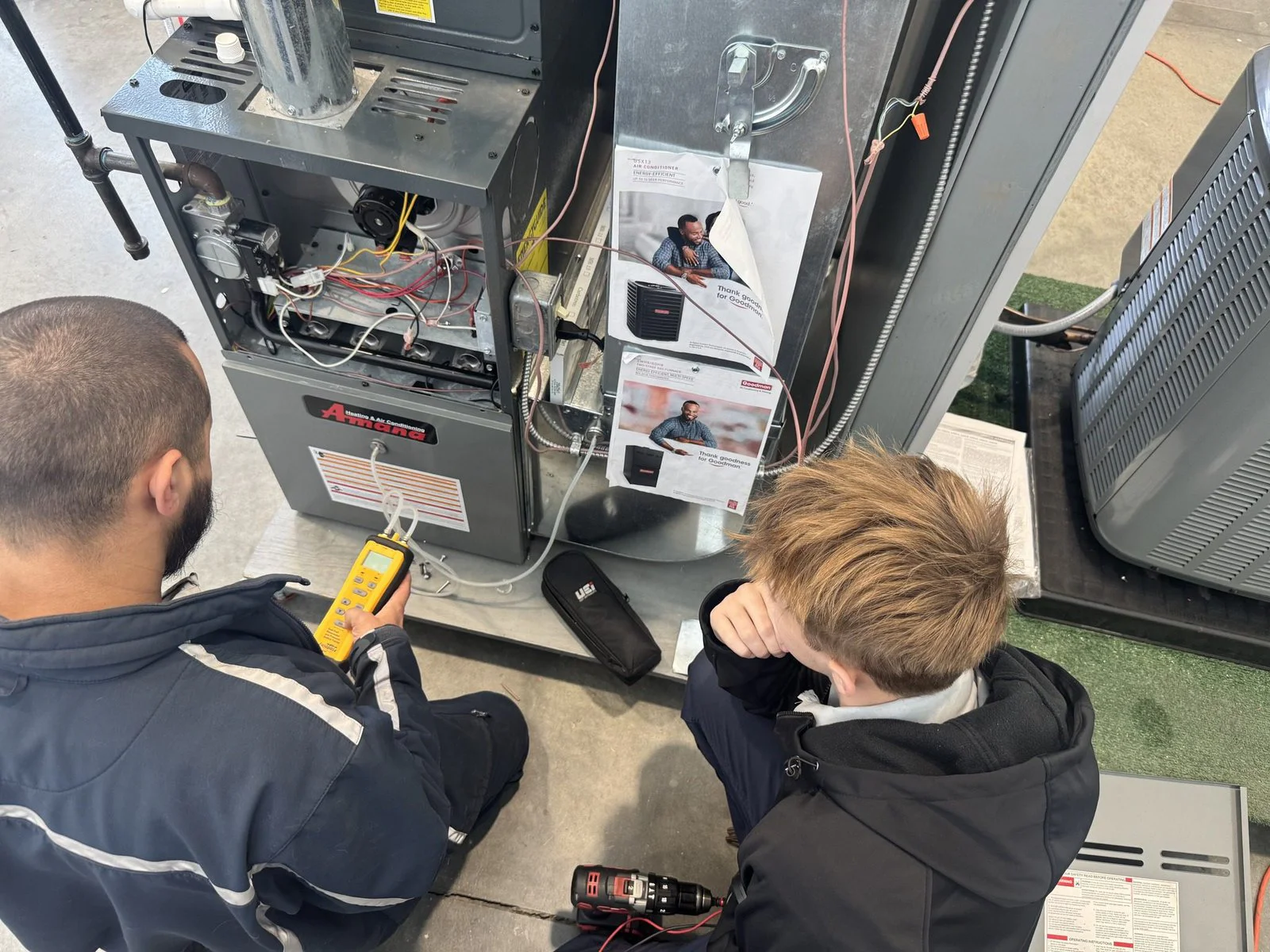
A new, professionally installed heating system can make a house easier to sell, especially if the old one is visibly outdated or flagged during inspection. Buyers notice mechanical systems more than sellers think. They may not care whether the furnace is two-stage or modulating, but they do care if they won’t have to budget for immediate replacement.
If you’re planning to move soon, a basic but solid Furnace Replacement may make more sense than a premium system packed with features the next owner won’t appreciate. If you’re staying another ten years, your own comfort and operating costs matter a lot more than resale optics.
So which option is best?
Usually, Furnace Replacement is best when your home already has a forced-air setup that works reasonably well and your current furnace is old, unreliable, or inefficient. It’s the most common path because it solves the immediate problem without rebuilding the entire heating system.
Furnace Installation is best when you’re creating a system where none existed, converting from another heating method, or correcting major design flaws that a simple replacement would leave untouched. It costs more, but it can completely change how a house feels and functions.
The wrong move is treating every furnace problem like a one-size-fits-all equipment swap. Good Heating Services look at the whole picture: the age of the furnace, the condition of the ducts, the way the house is used, the budget, the comfort issues, and the long-term plan.
If your furnace is still fairly young and the repair is minor, fix it and move on. If it’s aging and starting to fail in expensive ways, replacement usually beats repeated repair calls. If the home’s current heating setup no longer matches your needs, a more complete Heating Installation may be the smartest investment you can make.
The best Heating Installation answer is rarely the fastest one, and almost never the cheapest quote. It’s the option that fits the house, solves the actual problem, and won’t have you regretting the decision next winter.